Preventative Vehicle Maintenance To Avoid Costly Repairs
Many vehicle problems begin quietly. A slight vibration, a faint noise from the brakes or a dashboard light that flickers briefly can all be early indicators that something in a vehicle requires attention. These issues may seem minor at first, yet they can gradually develop into larger mechanical concerns if they are ignored.
Preventative vehicle maintenance focuses on identifying these early signs before they turn into expensive repairs. Regular servicing allows mechanics to inspect critical components, monitor wear and detect faults while they are still manageable.
For everyday drivers, preventative maintenance offers a practical way to maintain vehicle reliability. By addressing small issues early and keeping up with routine servicing, drivers can reduce the likelihood of unexpected
breakdowns while helping their vehicle operate more consistently.
Routine Vehicle Servicing Helps Detect Small Problems Before They Escalate
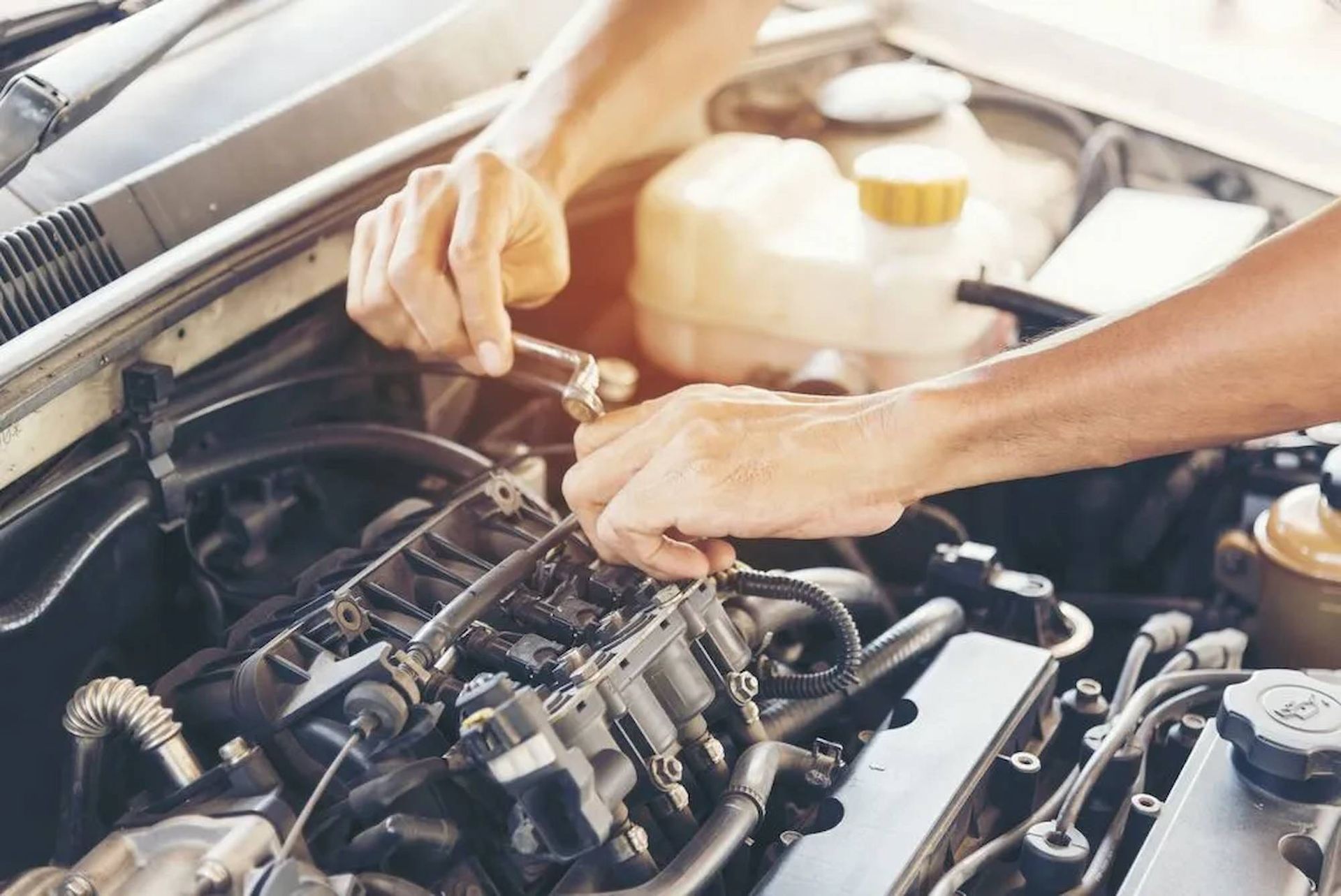
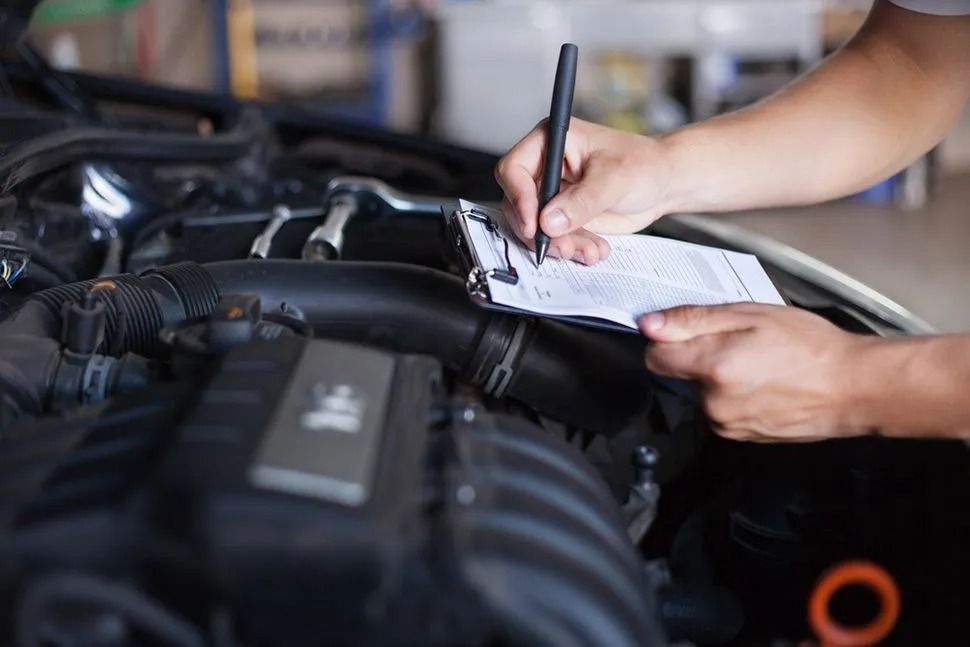
Regular vehicle servicing plays an important role in identifying mechanical concerns before they develop into major faults. During a scheduled service, mechanics carry out a structured inspection of key systems to observe how the vehicle is performing.
These inspections provide an opportunity to notice early signs of wear or deterioration. Small adjustments or replacements can often be completed during routine servicing rather than waiting for a failure to occur.
Typical checks performed during routine vehicle servicing may include:
- Inspecting engine components for signs of wear or leaks
- Checking brake condition and performance
- Reviewing fluid levels and condition
- Assessing tyres and suspension components
Routine servicing helps create a clearer picture of the vehicle’s overall condition and highlights any areas that may require attention.
Why Engine Oil and Fluid Checks Are Fundamental to Preventative Maintenance
Fluids are essential for the smooth operation of many vehicle systems. Engine oil reduces friction between moving components, coolant regulates engine temperature and brake fluid transfers hydraulic pressure when braking.
Over time these fluids can degrade, become contaminated or drop below recommended levels. Preventative maintenance involves regularly checking and replacing fluids as part of a vehicle service.
Mechanics commonly review the following fluids during maintenance inspections:
- Engine oil and oil filter condition
- Coolant levels and system condition
- Brake fluid levels and contamination
- Transmission fluid and differential oils
Maintaining proper fluid levels helps support the normal operation of these systems and allows potential leaks or contamination to be identified early.
Brake Inspections: A Key Service That Helps Prevent Major Repair Costs
Brakes are among the most important safety components in any vehicle. Over time, brake pads gradually wear down and brake discs may also experience wear depending on driving conditions.
Regular brake inspections allow mechanics to assess these components before wear reaches critical levels. Identifying brake issues early may help prevent damage to other braking components.
During a brake inspection, mechanics may review:
- Thickness of brake pads and brake shoes
- Condition of brake discs or rotors
- Brake fluid condition and hydraulic lines
- Operation of the braking system under normal conditions
These inspections help drivers understand the current state of their braking system and whether replacement parts may be required soon.
Tyre Condition and Alignment Can Affect More Than Just Ride Comfort
Tyres influence several aspects of vehicle performance, including handling, braking distance and fuel consumption. Uneven tyre wear or incorrect pressure can affect how a vehicle responds on the road.
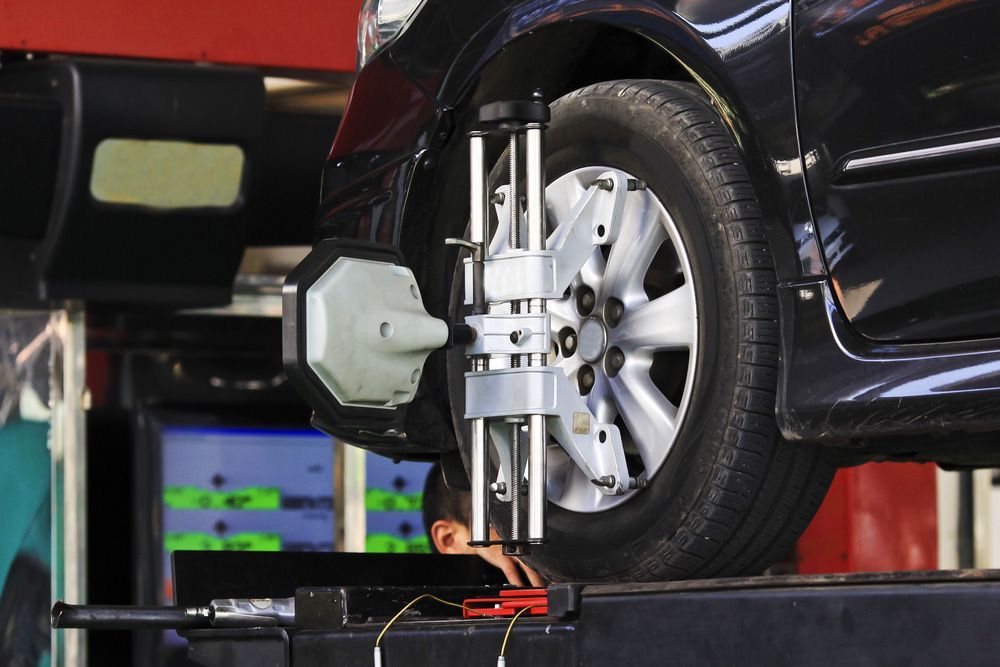
Preventative maintenance includes regular tyre inspections to monitor wear patterns and pressure levels. Mechanics may also check wheel alignment to confirm that tyres are making proper contact with the road surface.
Tyre related maintenance checks often include:
- Measuring tyre tread depth and wear patterns
- Checking tyre pressure and inflation levels
- Inspecting tyres for cuts, cracks or damage
- Assessing wheel alignment and balance
Monitoring these elements helps identify issues that may otherwise shorten tyre lifespan or affect driving stability.
Battery Testing and Electrical System Checks in Modern Vehicles
Modern vehicles rely heavily on electrical systems to manage engine performance, safety features and onboard technology. The vehicle battery plays a central role in powering these systems.
Battery testing during routine servicing can help determine whether the battery is holding charge correctly. Mechanics may also review other electrical components connected to the starting and charging systems.
Common electrical system checks performed during maintenance include:
- Battery voltage and charge capacity testing
- Inspecting battery terminals for corrosion
- Evaluating alternator charging performance
- Reviewing electrical wiring connections
Regular testing provides useful insight into how the electrical system is functioning.
Belts, Hoses and Filters: Small Components That Play a Big Role in Reliability
While larger mechanical parts often receive more attention, smaller components such as belts, hoses and filters are also important for vehicle operation. These parts can deteriorate gradually due to heat, pressure and general use.
Preventative maintenance involves inspecting these items regularly and replacing them when necessary. Catching wear early can help avoid breakdowns caused by failed belts or leaking hoses.
Components commonly inspected during servicing include:
- Engine drive belts and timing belts
- Coolant hoses and radiator connections
- Air filters and cabin filters
- Fuel filters depending on vehicle type
These smaller components contribute to the smooth functioning of many vehicle systems.
Diagnostic Scans Help Identify Issues Before Warning Lights Appear
Modern vehicles use computer systems to monitor engine performance, emissions and other mechanical functions. Diagnostic tools allow mechanics to connect to these systems and review stored data.
By performing diagnostic scans during servicing, mechanics may identify irregular readings or fault codes that have not yet triggered dashboard warning lights. This information can help highlight developing issues.
Diagnostic scanning may evaluate systems such as:
- Engine management systems
- Emissions control systems
- Transmission control modules
- Sensor readings across various components
Using diagnostic tools during preventative maintenance provides an additional layer of insight into how a vehicle is operating.
Following a Maintenance Schedule Helps Extend the Life of Your Vehicle
Vehicle manufacturers typically provide service schedules that outline recommended maintenance intervals. These schedules are designed around the typical wear patterns of mechanical components.
Following these intervals allows mechanics to inspect parts before they reach the end of their service life. Preventative maintenance helps drivers plan ahead for replacements rather than reacting to sudden failures.
Benefits of following a regular maintenance schedule may include:
- Identifying minor issues before they develop further
- Maintaining consistent vehicle performance
- Supporting fuel efficiency through proper servicing
- Reducing the risk of unexpected mechanical faults
Keeping track of scheduled servicing helps vehicle owners maintain a clearer understanding of their vehicle’s condition.
We at APPS Mechanical Port Macquarie understand how important reliable vehicles are for daily travel, work and family commitments. Coastal driving conditions, frequent short trips and changing temperatures can place additional demands on engines, brakes and electrical systems. Our team offers servicing and maintenance support for drivers searching for a mechanic in Port Macquarie or a mechanic near me to help keep vehicles operating consistently.
If you would like to book a service or discuss preventative vehicle maintenance, visit our website and
contact our team today.